Consumer Watchdog uncovers travel insurance loophole

which_logo

Consumer watchdog, Which? have uncovered a travel insurance loophole which could leave travellers without adequate cover when they jet off on their summer holiday this year. A little known clause which is found in 10 out 12 of the leading traveller insurers in the UK, the “ongoing medical warranty”, means that policyholders who fall ill before travel may not be covered by their travel insurance.

While it’s a well established fact that policyholders need to notify their insurer of any pre existing medical conditions before applying for a travel insurance policy, what happens if a consumer develops a medical condition after the policy has been taken out but before they travel is something of a grey area.

Following an investigation by the consumer watchdog, Which? it found that 10 out of 12 of the largest travel insurance providers in the UK do carry a ongoing medical warranty in their terms and conditions. However, the way in which each insurer deals with the issue varies from company to company. Some will continue to offer the insurance, although they may request an additional payment once the policyholder has disclosed their condition. Other insurers may refuse to insure the person altogether and will refund the policy while others may advise you to put a cancellation claim in on your holiday.

The advice from the consumer watchdog for travellers who may be concerned about this issue is to use an insurer that doesn’t have an ongoing medical warranty clause such as Axa and Age UK.
Car insurance more expensive for singles and divorcees

which_logo

In new research conducted by consumer watchdog, Which? it was revealed that 8 out of 12 of the leading car insurance providers questioned as part of the study charge couples less for their annual car insurance premiums, compared to single or divorced people.

In some cases, the difference in the cost an annual car insurance premium could be as much as a quarter, all through a change in the marital status of the policyholder.

One example highlighted by Which? showed that the price of car insurance for a 27-year-old man who stated he was divorced or dissolved on his policy was 28% higher than if he had stated himself as married or cohabiting in his policy details. The difference in the cost of other policies as a result of marital status averaged around 10% higher for single people.

The study also uncovered the importance of completing the questions set by the insurance company correctly as one provider was found to charge more to policyholders who ticked the box for “not disclosed” as their relationship status, compared to just ticking the box for “single”.

When Which? asked the car insurance companies why they charged couples less for their policies compared to single people, the answer they received was that their premiums were based on their company research and claims history.

Insurance experts say that the results of the Which? survey highlights again the importance of shopping around to ensure the lowest car insurance quote.

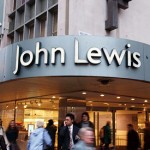
John Lewis home insurance policy gets the Which? seal of approval

John-Lewis2

The home insurance policy offered by retail giant John Lewis has received the seal of approval from consumer watchdog Which?

Only 6 home insurance companies have been granted the status of Which? recommended provider as the consumer watchdog only gives its approval to a limited number companies.

Which? uses a number of variables by which to measure the quality of the insurance policies offered by providers. In order to become a Which? recommended provider the insurance company must demonstrate outstanding customer service, and a very high standard of insurance product. The company must also be registered with the Financial Services Authority (FSA), and the provider must also offer a fast and simple process by which customers can receive a quote.

Following a thorough evaluation of the services offered from John Lewis, Which? found the overall satisfaction rating of its building insurance policy to be 70%, while its contents insurance faired even better with a 76% rating, while the overall customer satisfaction score came in at 79%.

Which? took into consideration the overall UK home insurance market while rating the policy on offer at John Lewis in order to gain a picture of how the policy fairs against others.

One area where John Lewis surpassed expectations was in the quality of the customer service which was found to exemplary in many cases.

Insurance policy admin fees criticised

which_logo

The administration fees which are charged to policy holders wishing to make amendments to their cover have come under fire this week after research from Which? found that some companies charge up to £55 for minor changes.

Back in 2004, just under fifth of car insurers charged an administration fee for changes to a policy. Now that figure has changed significantly with 70% of motor insurers and 30% of home insurance companies charging for changes to policies such as altering your marital status or changing a name or address on the cover.

Which? who carried out the research concluded that the administration fees are too high and are not always made clear to the policyholder as they are sometimes hidden in the small print.

The Association of British Insurers (ABI) has defended the use of admin fees by insurance companies. In a statement the ABI say that insurers don’t want to charge customers, but must ask for a fee to be paid if they incur costs in the process of administering the change on the policy.

Which? found that the average administration fee charged for a change to a car insurance policy stood at £21 and for a home insurance policy the average amount was £18.